What Were Some of the Rationale of Ms. Tans Decision to Launch Yum Cha

The Resilience Capabilities of Yumcha Restaurants in Shaping the Sustainability of Yumcha Civilization
School of Tourism Management, Sun Yat-sen Academy, Guangzhou 510275, Red china
*
Author to whom correspondence should be addressed.
Received: 21 August 2018 / Revised: 7 September 2018 / Accepted: xiii September 2018 / Published: xv September 2018
Abstract
This study investigates the sustainability of food heritage in the modern world. The urban center of Guangzhou in Guangdong province has rapidly changed to go a big metropolis within 40 years after Communist china's opening policy. Using Guangzhou's Yumcha heritage as the instance, we propose that Yumcha restaurants' resilience has enhanced Yumcha heritage sustainability, and their dynamic capabilities take had a positive influence on both Yumcha restaurants' resilience and the sustainability of Yumcha heritage. The study focuses on (1) the influence of social–cultural changes on the sustainability of Yumcha culture, (2) the influence of eating house dynamic capabilities on Yumcha heritage sustainability, (iii) Yumcha restaurants' resilience-mediating effect, and (4) the moderating effects of social-cultural changes. The findings contribute to our understanding from four aspects: (1) Social–cultural changes negatively impact on Yumcha heritage; (2) the dynamic capability of Yumcha restaurants has a straight positive impact on Yumcha heritage; (iii) the dynamic capabilities of Yumcha restaurants and social–cultural changes enable Yumcha heritage to become more resilient and meliorate the sustainability of Yumcha heritage; and (four) social–cultural changes moderate the indirect effects of proactive behavior on Yumcha heritage sustainability via Yumcha restaurant resilience.
one. Introduction
This article explores the social and cultural factors that may bear upon local food heritage and how local nutrient heritage copes with these changes and becomes more than resilient. In an era of globalization, urbanization, and mobility [1], local and traditional civilisation faces multiple shocks caused by social and cultural changes [2]. How to protect local cultural heritage in the modern world is a major challenge [3]. Nutrient represents a kind of cultural heritage. Nutrient is not only associated with providing physical diet for humans, merely information technology is also a marker of local culture [iv,5,six,7,8].
Disruptions from the modernistic world to nutrient heritage are enormous [3]. Why and how are some food heritages reserved, thriving, and emerging as more sustainable? This study uses Yumcha (饮茶) heritage every bit an example to examine how local heritage can be conserved sustainably and how it becomes resilient in the fast-irresolute modern world. Yumcha, of which the literal translation is 'drinking tea', originated in the Qing Dynasty. In this practice, people not only beverage tea just also eat dim sum [9]. In 2007, Yumcha culture was designated as one of the intangible cultural heritages of Guangzhou [10]. Although experiencing many challenges and strikes, Yumcha is even so popular in Guangdong province and surrounding regions, such every bit Guangxi province and Hong Kong [11]. Thus, Yumcha is a good instance to illustrate the resilience of nutrient heritage.
Several scholars have studied the sustainability of local cultural heritage. Related studies take mainly focused on general cultural heritage [3]. Main research topics involve the demand side, such as food-consumption changes and consumers' value changes [3]. Nonetheless, enterprises, as the main carriers of local heritage, are seldom investigated. Specifically, in the nutrient-heritage context, restaurants take considerable influence on the survival of food heritage.
From an enterprise perspective, the question remains on how food heritage can become resilient in encounters with different types of disruptions in modern cities. Piffling research has explored the sustainability of local food heritage from restaurant studies, with some exceptions. For instance, Larsson et al. investigated the resilience of a nonprofit firm in promoting a local food organisation [12]. Research on restaurants has focused more on restaurant innovation [thirteen]. Some studies have explored the paradox between authenticity and standardization of restaurants [14]. At that place is ever a tension betwixt commodification and heritage preservation [15]. Business and commercialization are commonly thought of as causing negative effects on the authenticity of cultural heritage [16,17]. However, the positive effects of the resilience of restaurants in building sustainable nutrient heritage when facing disruptions and opportunities in the modernistic world have not been examined. This report attempts to prove that successful businesses could besides contribute to the sustainable development of cultural heritage.
When referring to enterprise resilience, recent research has paid more than attending to the dynamic capabilities of enterprises [eighteen]. Dynamic capabilities are a firm's high-level capabilities. However, it is complicated to reveal the relationship betwixt resilience and dynamic capabilities. Specifically, in the context of local nutrient-heritage sustainability, which kind of dynamic capabilities heighten eating place resilience and, thus, food-heritage sustainability, and how?
This paper empirically analyzes the sustainability of Yumcha heritage when facing disruptions and opportunities in a changing social–cultural metropolitan urban center. Based on resilience theory, following a dynamic-capabilities perspective [19], this study tries to reveal how specific dynamic capabilities, such as eatery innovation and disruption orientation, influence Yumcha restaurants' resilience and, in turn, the sustainability of Yumcha heritage.
2. Literature Review
In this study, we postulate that a Yumcha restaurant with high dynamic capacity enhances its resilience to disruptions and, in turn, enhances the sustainable conservation of Yumcha civilization. The level of disruption the firm faces may moderate this effect. The conceptual model is illustrated in Figure 1.
2.one. Eating place Resilience and Local Food-Heritage Sustainability
Sustainable development is defined as "development that meets the needs of the present without compromising the ability of future generations to meet their own needs" [20] (p. 43). Throsby revealed that cultural sustainability includes the preservation of cultural valuations and cultural activities for the next generations [21]. The sustainability of food heritage should exist based on the protection of dining activities and food cultural valuations.
The sustainability of cultural heritage relates closely to its instrumental value as a driver in developing the economy, creating jobs, and eliminating poverty [22,23]. The development of Yumcha restaurants plays a crucial role in the preservation of Yumcha food heritage. In a earth full of change and dubiousness, only when restaurants are resilient can they keep providing Yumcha services and promoting the values backside the activeness.
Contempo studies of resilience have shifted from exploring ecological resilience to investigating social resilience [24,25], including firm resilience. Roundy, Brockman, and Bradshaw defined firm resilience as a firm's capability to recover from and adapt to shocks and disruptions [26]. Within the context of Yumcha culture, we focused on restaurants where customers tin bask the Yumcha experience. The Yumcha experience is complex. People drink tea, eat dim sum, conversation with others, and communicate with employees. Traditionally, people can drink tea and consume dim sum from forenoon until nighttime. However, in modern times, the civilisation has shrunk to some degree; today, only the exercise of drinking "morning tea" exists widely. In fact, many restaurants in Guangzhou just provide morn-tea services. Thus, this article focuses on morning-tea restaurants to explore the strikes to and the resilience of local food heritage. Nosotros ascertain restaurant resilience equally the general morn-tea restaurant'southward ability to exist flexible, deport pressure, and recover from and arrange to shocks and disruptions. Thus, we hypothesize:
Hypothesis1 (H1).
Yumcha eating place resilience positively affects the sustainability of Yumcha culture.
2.ii. Dynamic Capability
Dynamic capability has only recently been developed as a perspective from which to view resilience [27]. Van de Vegt et al. noted that "to identify the capabilities of the system, and to empathise how they communicate with others and with their environment, is of import to understand a organization's resilience and to predict key operation outcomes" [27] (p. 973). Dynamic capabilities are essential to a system's (within this food-heritage context, the morning time-tea restaurant) adaptation process and therefore the sustainability of Yumcha culture. Thus, we can assume that dynamic capabilities positively bear upon Yumcha restaurants' resilience, dynamic capabilities accept a positive bear upon on the sustainability of Yumcha civilisation, and dynamic capabilities accept an indirect positive consequence on Yumcha heritage sustainability via Yumcha eating house resilience.
Dynamic capability refers to that firm that has the capacity to "integrate, build, and reconfigure internal and external competences to address chop-chop changing environments" [19] (p. 516). Dynamic capabilities have many characteristics: (1) generate organizational learning, (2) produce new incorporations of avails, and (2) update operational (or ordinary) capabilities [28,29].
As dynamic-capability research is quite new, researchers have explored the meaning of dynamic capability from diverse perspectives. Based on the characteristics of chapters, dynamic capacities include three dimensions: sensing, seizing, and reconfiguring [30]. Based on the characteristics of response behavior, Parker and Ameen explored dynamic capacities from the following aspects: disruption orientation, investment in risk-prevention infrastructure, resources reconfiguration, and proactive risk management [18]. The context of the Yumcha restaurant is relatively narrow and concrete. The dynamic capacities for a restaurant to survive in a irresolute social–cultural globe include two dimensions, uncertainty orientation and proactive behavior.
2.2.1. Uncertainty Orientation
Uncertainty orientation helps to enhance firms' power to place disruptions and opportunities. It serves as a kind of sensing capability [thirty], monitoring external social–cultural changes, interpreting the potential impact, and searching for and identifying market place opportunities. Enquiry has explored disruption orientation to immediate shocks.
Disruption orientation refers to "when the business environs is full of doubt, a firm's general consciousness and sensation of, concerns almost, seriousness toward, and recognition of the opportunity to learn from a broader range of disruptions" [18] (p. 873). Inside the Yumcha context, disruption may refer not only to immediate shocks but likewise to gradual social–cultural changes [25]. The concept of uncertainty orientation measures an adaptation to a broader range of doubtfulness, including both disruption and opportunities that bear upon the firm. It is more than possible for firms with an uncertainty orientation to go resilient during disruptions. Thus, nosotros suggest:
Hypothesisii (H2a).
Uncertainty orientation has a positive relationship with resilience.
Hypothesis2 (H2b).
Dubiety orientation has a positive relationship with sustainability of Yumcha culture.
2.ii.2. Proactive Behavior
Subsequently identifying disruptions and opportunities, firms need to implement proactive behaviors to respond to disruptions and to seize opportunities. Proactive behavior measures a firm'due south actions to create value from external opportunities, make new strategies, and adjust business models and value chains [31]. Proactive behaviors also refer to behaviors to orchestrate firms' asset base of operations, process innovative valuable combinations, and larn to build creative capabilities [30]. Within this written report's context, proactive behavior is defined equally the beliefs to reconfigure resource in response to uncertainties. Agile Yumcha restaurants would need to constantly be vigilant with regards to external social–cultural changes, and answer actively to potential disruptions and opportunities, seizing the time and resources to learn and to accumulate knowledge from past experience and grabbing opportunities [18]. Thus, we requite the following hypotheses:
Hypothesis3 (H3a).
Proactive behavior has a positive relationship with resilience.
Hypothesisthree (H3b).
Proactive beliefs has a positive human relationship with the sustainability of Yumcha civilization.
Proactive behaviors in the restaurant manufacture mainly stalk from innovation, including product innovativeness, service innovativeness, technological innovation, environmental innovation, and experiential innovativeness [xiii].
Production innovativeness has two meanings: (i) to provide new offerings, different from previous ones [32,33], and (2) to provide new perceptions of value, utility, and meaning for an old offering among consumers [34]. In the food-service industry, production innovativeness includes calculation new items to the menu [35]. Specifically, when faced with rapid changes in consumer gustatory modality, improving the taste and diverseness of dim sum may help Yumcha restaurants attract more consumers.
Service innovativeness is described equally performance-enhancement activities that offer a artistic benefit or sufficient appeal. Service innovativeness would intensely influence consumers' and competing companies' behavior [36]. Service innovativeness includes new technology in the services' delivering processes [37]. In a Yumcha restaurant, new technology, such as an app for ordering from the menu or online ordering tools, can exist integrated into customers' dining experience and help enhance the commitment process.
Experiential innovativeness is defined as the behaviors to create a customized and personalized experience for customers [38]. Beginning, experiential innovativeness includes a creative or fantasy surround and circumstances in which consumers can appoint [39,twoscore]. Providing communal tables encourages a social interactive temper. Traditionally, the Yumcha eatery is a identify for customers to chat. Recently, Yumcha restaurants have begun to design the restaurant's atmosphere and add cultural elements to its environs. Second, experiential innovativeness in the hospitality industry focuses on employee–customer interactions [41], a typically people-oriented sector. Yumcha restaurants mostly encourage their employees to collaborate with customers.
Promotion is a house'south marketing method to introduce its products and services to targeted customers [42]. Promotional methods tin can be creative, such as using digital, mobile, and social media in marketing communications [43,44], creating a new product mix and new ways of giving discounts and gifts [45]. In a Yumcha eating house, promotional innovation includes diverse rewards (membership programs), innovative marketing, and advertizement strategies. In full general restaurants, providing Yumcha products in the morning has become a method of promotion.
2.3. Impact of Globalization
The tension between globalization and localization results in rapid sociocultural changes and shocks to local food heritage, and the prospective touch on of disruptions may stir restaurants' motivation to respond [46]. More severe external changes and interruptions may greatly motivate restaurants to response, restore stability, and enhance resilience. Harvey employed "time–space pinch" to describe recent social changes [2]. In terms of space, the world is experiencing a globalized process [1]. In the food context, the spread of fast-food culture is considered damaging to various traditional food cultures [47]. Homogenization is an expected outcome of globalization, meaning everything becomes the same [48]. Thus, the force of globalization may decrease the diversity of local culture [49]. In terms of time, mod people complain more about the fast pace of life and spend less time in eating, sleeping, and playing [50]. Social acceleration may crusade people to reduce their consumption of local food. Thus, we suggest:
Hypothesisiv (H4).
Sociocultural alter negatively affects the sustainability of Yumcha culture.
Second, still, social and cultural changes usually occur slowly, which does non destroy enterprises immediately; rather, information technology gives them more than time and space to adapt to the changes. In the process of adapting, the enterprises obtain more abilities to cope with external challenges and become more resilient to strikes. As a result, social and cultural change can be beneficial to restaurants. Therefore, we hypothesize:
Hypothesis5 (H5).
Sociocultural change positively enhances Yumcha restaurants' resilience.
The human relationship betwixt dynamic capabilities and restaurant resilience is circuitous [51]. Contextual factors like rapid sociocultural alter may moderate the association. Previous studies have suggested that, in speedily changing environments, firms with high dynamic capabilities are more resilient [31]. However, when business organization environments are relatively stable, the benefits created by dynamic capabilities may be overturned by the costs required to develop and maintain such competences [52]. Therefore, we suggest:
Hypothesishalf-dozen (H6).
Sociocultural change moderates the relationship between dynamic capabilities and Yumcha restaurant resilience.
Based on the previous hypotheses, this research farther proposes that the indirect outcome of proactive behavior and doubtfulness orientation on Yumcha heritage sustainability through Yumcha restaurant resilience should change with different levels of affect. That is to say, the impact should moderate the sequentially mediating effect of Yumcha restaurant resilience in the relationship betwixt proactive behavior, uncertainty orientation, and Yumcha heritage sustainability. Thus:
Hypothesis7 (H7).
Social–cultural bear on moderates the indirect effects of proactive behavior and uncertainty orientation on Yumcha heritage sustainability via Yumcha restaurant resilience.
3. Methods
iii.i. Sample, Information Collection, and Research Context
Nosotros conducted a survey based on employees' perceptions. We collected data from Yumcha restaurants in Guangzhou. A airplane pilot survey was conducted with half dozen managers in Yamcha restaurants and two academic experts. The pilot respondents were required to provide comments on the measurement scales' content validity. Based on respondents' comments, we revised the questionnaire until the questionnaire was piece of cake to understand and sufficiently articulate.
The survey was conducted in the Haizhu and Yuexiu districts in Guangzhou, Guangdong, China. Yumcha culture originated in the Qing dynasty, between 1862 and 1874, in Guangzhou, Guangdong, Red china. Early Yumcha restaurants unremarkably had a signboard with the letters "Cha Hua" (茶话). "Cha" (茶) ways to drink tea and "Hua" (话) means to talk. This kind of restaurant generally provided several tables and benches for customers to sit down, drink tea, and eat snakes (dim sum). Subsequently, much larger Yumcha restaurants opened and Yumcha cultural became popular. In Guangdong, going to a Yumcha restaurant to drink tea and consume dim sum is also called "Tan Cha" (叹茶). "Tan" (叹) has a meaning of enjoyment, and "Tan Cha" is like to a kind of pleasant recreation activity. In aboriginal times, Yumcha restaurants provided Yumcha products throughout the day. Yumcha services were its main products. In modern society, some restaurants only provide Yumcha products in the morning time. Yumcha services are subsidiary products. Both kinds of restaurants were included as cases in this study.
We used both electronic and hard-copy questionnaires. Nosotros used wjx.com to develop the electronic questionnaires. Three university students collected the data between 14:00 and 17:00 every weekend from 16 May to 26 July 2018. Students nerveless the data mainly in the Haizhu and Yuexiu districts of Guangzhou. Haizhu and Yuexiu are the traditional districts in Guangzhou. Students investigated all the chief streets. When they found a Yumcha restaurant, they walked in to introduce our research to the managing director of the restaurant and to inquire if they and their employees would make full a questionnaire. Students were trained in administering the questionnaire and introducing the questionnaire's background. Questionnaires were administered face up to confront using the hard-copy edition. If the targeted respondents were working, students asked them if they would complete the electronic questionnaire subsequently. Respondents were offered a take chances to win an boilerplate 2 RMB bonus in a draw if they completed the electronic survey. To ensure the participants qualified for the study, a screening question was set in the beginning of the survey by request what kind of nutrient the restaurant in which they piece of work provides.
The number of responses was 262. 14 responses in the electronic version were eliminated considering their completion time was less than 2 minutes or their answers were all the aforementioned, yielding 248 usable samples. The constructive response charge per unit was 94.66%. As the data analysis technique we used was the maximal likelihood method, this sample size was sufficient [53]. By comparison employees' characteristics (i.east., sexual activity, age, and position) of early versus late respondents, nonresponse bias was tested. There were no meaning departure.
In the formal survey, the sample characteristics demonstrated that 46% of the participants were female and 64.7% were older than 21 years old. Only 36% of the participants had a high-schoolhouse degree or above. 45% of the participants were unmarried and 45% were born in Guangzhou. Almost of the participants (71.ane%) had lived in Guangzhou for more than 10 years, and 45% had worked in Yumcha restaurants for more than than 5 years.
iii.two. Measures
In this section, variable definitions are presented. The measures of our study were based on previous studies [54], all using a 7-point Likert scale (i means strongly disagree, vii means strongly agree). Table 1 and Tabular array 2 present all the measurement items. The variables included proxies for sustainability, resilience, impacts, and dynamic capabilities.
Yumcha heritage sustainability used a five-particular measurement scale. The items were adapted from Jantunen, Tarkiainen, Chari, and Oghazi [52]. The measure of sustainability of Yumcha civilization considered the persistence of Yumcha activity and the continuous appreciation of the value involved in the action. Within the Yumcha heritage context, it measures the continuous appreciation of the value of the Yumcha restaurant industry.
Yumcha restaurant resilience was adapted from Ambulkar et al. [55]. This scale assessed Yumcha restaurants' capability to cope with disruptions and arrange to uncertainties.
The impact of social–cultural changes has two aspect factors, impact from demand-side changes and impact from market-side changes. Each impact gene of social–cultural changes was measured based on a 3-detail scale that was originally from Bode et al. [46]. A revised version was developed for the purposes of this study based on interviews with restaurant managers, academic experts, and members of the Nutrient and Beverage Association of Guangzhou. This variable measured the extent to which the Yumcha eating place was affected by demand and market changes.
Dynamic capabilities include two aspects, uncertainty orientation and proactive beliefs. Measurement items for the doubtfulness-orientation dimension incorporated ii factors, uncertainty orientation toward need change, and uncertainty orientation toward marketplace change. It measured the restaurants' alertness to social disruptions. The dubiousness-orientation scale was adapted from Bode et al. [46].
Proactive beliefs includes innovations and activities for cognition and resources acquisition, too as exploration facilitating resistance to social changes [53]. In the context of Yumcha civilisation, it includes 4 factors: product innovativeness, service innovativeness, experiential innovativeness, and promotional innovation.
iii.3. Measure Assessment
A 2-stage process was implemented to evaluate measurement scales. In the kickoff stage, exploratory factor assay was conducted to measure the proactive behavior's structure. Proactive beliefs is a second-order construct. Exploratory factor analysis was to test whether items formed the expected proactive behavior factors. Factor assay used the oblique-rotation method. Items with a low gene loading of 0.5 were abandoned. The reserved items' cistron loadings were all greater than 0.6 on their respective factors. We considered all factor loadings as significant [56]. Next, confirmatory factor analysis was performed to assess the convergence. Four factors (production innovativeness, service innovativeness, experiential innovativeness, promotional innovation) were included in the proactive-behavior construct.
The second stage was assessing the convergent and discriminant validity of the 5 key constructs with confirmatory factor assay (Table 2). Nosotros used software package Mplus 7.0 [57] and employed the maximum-likelihood (ML) reckoner, which is the default estimator in Mplus recommended by Henseler, Ringle, and Sarstedt [58]. All of the factor loadings were significant and higher than 0.6. Cronbach'due south α and composite reliability (CR) for each measure was computed to assess the reliability and convergent validity of the scales. Factor loadings of all items were greater than 0.7. It showed that reliability and convergent validity was indicated [59]. The average variance extracted (AVE) was further computed to assess validity. AVE was higher than 0.five [57] for all measures.
To further evaluate the discriminant validity of the 5 constructs, we followed strict procedures adopted from advanced enquiry [60]. We compared the v-factor fundamental construction model with alternative plausible models. Tabular array 3 shows the results. Based on the results, the proposed 5-factor model provided a better fit to the data (χtwo(125) = 193.491, p < 0.01; the comparative fit index (CFI) = 0.967; the Tucker-Lewis index (TLI) = 0.960; Root Mean Square Error of Approximation (RMSEA) = 0.047; standard root hateful square residual (SRMR) = 0.037) [61]. Thus, the discriminant validity of the 5-gene key construction was confirmed.
iv. Results
4.1. Descriptive Statistics
Table 4 reports the correlation of all the variables in this study. Results suggest that the sustainability of Yumcha civilisation is positively correlated with proactive behavior (r = 0.793, p < 0.01), uncertainty orientation (r = 0.707, p < 0.01), social–cultural changes (r = 0.24, p < 0.01), and Yumcha restaurant resilience (r = 0.645, p < 0.01). Moreover, Yumcha restaurant resilience is positively correlated with proactive behavior (r =0.712, p < 0.01), incertitude orientation (r = 0.746, p < 0.01), and social–cultural changes (r = 0.599, p < 0.01). In addition, social-cultural changes are positively correlated with proactive beliefs (r =0.397, p < 0.01) and dubiety orientation (r = 0.502, p < 0.01).
4.2. Hypothesis Test
Structural equation modeling (SEM) was chosen as the analyzing method to test the hypothesized model. SEM helps provide a comprehensive examination of all paths and the overall fit of data in the model [62]. To estimate the single-detail measures, the measurement path was set as i and assumed no error [63]. Following previous studies' approach [64], the error and measurement path of the interaction was set. Two methods were used to measure the hypothesized model (with moderate effect), the product-indicator approach [65] and latent moderated structural equations (LMS) arroyo. The results of the product-indicator arroyo are shown in M1 of Tabular array five. The results of LMS are shown in M2 of Table 5.
4.3. Model Comparing
Five alternative plausible models were constructed to compare with the hypothesized model measured past the product-indicator arroyo (M1) utilizing the exam of χ2 statistics [66]. Two of the alternative models were without moderate consequence (M3 and M4). M5 is an alternative partial mediation model, and estimated the hypothesized model without links from uncertainty orientation to the sustainability of Yumcha civilization. M6, an alternative full model, estimated the hypothesized model with the link from proactive behavior × social–cultural changes to the sustainability of Yumcha civilization. M7, an alternative full-mediation model, estimated the hypothesized model without links from proactive behavior, uncertainty orientation, and social–cultural changes to the sustainability of Yumcha culture. M8, a model without mediation, estimated the hypothesized model without links from proactive behavior, dubiousness orientation, and social–cultural changes to Yumcha eatery resilience.
The results of the changes in χ2 tests are shown in Table five. The effect of M1 indicates that the hypothesized model provides the best fit in the data compare to models M5–M8 (χ2 (175) = 397.521; CFI = 0.943; TLI = 0.932; Root Mean Square Error of Approximation (RMSEA) = 0.072; Standardized Root Hateful Foursquare Residual (SRMR) = 0.045). The goodness of fit of the M4 result, which is an alternative model without moderate effect, is slightly higher than the hypothesized model. Nonetheless, we argue that our hypothesized model is the best for ii reasons. Start, the moderate event in M1 is significant. Second, the Akaike Information Criteria (AIC) and Sample-Size Adapted Bayesian Information Criteria (ABIC) of M2, which is the hypothesized model estimated past LMS, are lower than M4. AIC and ABIC are the goodness of fit indices used to compare the results betwixt the LMS arroyo and the product-indicator arroyo.
4.4. Hypothesis Testing
Results of structural equation modeling analysis are presented in Figure ii. In support of Hypothesis 1, Yumcha eating place resilience is confirmed to be positively related to the sustainability of Yumcha civilisation (β = 0.212, p < 0.05). Proactive behavior (β = 0.374, p < 0.01) and doubt orientation (β = 0.363, p < 0.01) are positively related to Yumcha restaurant resilience, thus supporting Hypotheses 2a and 3a. Proactive beliefs (β = 0.544, p < 0.01) and doubt orientation (β = 0.244, p < 0.01) are positively related to the sustainability of Yumcha civilization, thus supporting Hypotheses 2b and 3b. Sociocultural alter (β = 0.234, p < 0.05) is negatively related to the sustainability of Yumcha civilization, thus supporting Hypothesis iv. Sociocultural change (β = 0.234, p < 0.05) and proactive behavior × sociocultural change (β = 0.163, p < 0.05) are positively associated to Yumcha restaurant resilience, thus supporting Hypotheses 5 and vi.
Interaction effects are plotted in Effigy 3 using Aiken and Westward'southward procedure [67]. Figure 3 shows that the clan between proactive behavior and Yumcha restaurant resilience is stronger when social–cultural changes are loftier (β = 0.218, p < 0.01) rather than depression (β = 0.164, p < 0.05). Thus, Hypothesis 7 receives further support.
Hypothesis 5 proposed that Yumcha restaurant resilience mediates the relationships amongst proactive behavior, incertitude orientation, impacts, proactive behavior × impact, and the sustainability of Yumcha culture. The model with a direct path from proactive behavior, doubt orientation, impact, proactive behavior × impact, to the sustainability of Yumcha culture did non show a significantly better fit than the hypothesized model. The arbitration event in Hypothesis 5 finds back up.
Moderated path analysis was evaluated in Mplus vii.0 using the Bayes estimator with 4 Markov concatenation Monte Carlo (MCMC) chains to test Hypothesis 7 [68]. As displayed in Table 6, the indirect effect of proactive beliefs on the sustainability of Yumcha culture via Yumcha restaurant resilience varies significantly across different levels of social–cultural changes (Δβ = 0.086, p < 0.05). Hence, Hypothesis vii receives support. Specifically, the indirect effect of proactive behavior on the sustainability of Yumcha culture was stronger when the level of impact is high (β = 0.247, p < 0.01) rather than depression (β = 0.155, p < 0.05). This provides farther support for Hypothesis 7. Therefore, all the hypotheses in our report receive full support.
five. Conclusions and Give-and-take
five.1. Conclusions
This written report shed lite on the sustainability of food heritage nether sociocultural changes from a restaurant perspective. Guangzhou quickly changed from a small metropolis to a large metropolis within forty years after China's opening policy. Choosing Guangzhou's Yumcha heritage equally the case, we proposed that Yumcha eatery resilience enhances Yumcha heritage sustainability. Dynamic capabilities were proposed having positive influence on the sustainability of Yumcha heritage via Yumcha restaurant resilience in the modern world. These hypotheses draw on the resilience perspective. The findings make contributions in iii aspects: (one) Yumcha eating house resilience positively affects Yumcha heritage sustainability, (2) business resilience mediates the effects between restaurants' dynamic adequacy and food-heritage sustainability, and (3) the furnishings from dynamic capabilities to heritage sustainability are modified by social–cultural impact.
This inquiry makes four theoretical contributions. Showtime, this study expands the culture-heritage literature past focusing on the effect of business resilience of restaurants in heritage sustainability, where the restaurants' dynamic adequacy is prevalent and may generate important influence, merely its effects have not been fully investigated [14]. This inquiry suggests that business resilience could contribute to heritage sustainability. Such findings provide prove for the positive touch of business resilience on building food-heritage sustainability. Previous inquiry tends to regard the commodification of heritage as damage to the authenticity of heritage [xvi,69]. This study proves that business with resilient capabilities can enhance the surviving power of cultural heritage. These findings are non simply constructive in the conservation of food civilisation, only besides in other types of cultural heritage. For case, Dai and Xu found that business organisation brought by tourism development would benefit the protection of tangible-architecture heritage in ancient towns in People's republic of china [seventy].
Second, this inquiry made contributions to current business-resilience research. Existing research mainly evaluates business resilience with business functioning [52]. This study enhances the understanding of the power of business resilience by focusing on its contributions in preserving heritage. Existing business-resilience research on dynamic capabilities is also constrained. Our study extends the scope to examine specific dynamic capability in the restaurant industry. Five innovations were examined to measure out the proactive beliefs in edifice business concern dynamic capabilities. The advantages caused by enterprise development should non only be measured past the economic gains, just too by the benefits to cultural preservation.
Third, this study unraveled the mediating mechanisms between restaurants' dynamic capability and nutrient-heritage sustainability. Although research about business dynamic capabilities is a recent hot topic [18,52], the procedure through which capability may influence business concern resilience and the mediating mechanisms of business resilience have not nonetheless been sufficiently studied, and this newspaper provide a vivid context to explain the mechanisms [18]. This paper highlights the mediating furnishings of business resilience in restaurant innovation in helping conserve sustainable food heritage. Business organization resilience as a mediator links the dynamic capability of enterprises with the sustainability of civilisation. Diverse innovations in cultural commodification are crucial means to obtain cultural sustainability.
Fourth, our study farther tests the moderating consequence of bear upon. This effect supports that effects from dynamic capabilities on heritage sustainability may be modified past bear upon, consistent with previous inquiry [18]. We therefore aggrandize previous research and argue that impacts provide challenges for business resilience; nonetheless, on the other mitt, impacts may augment the positive effects from dynamic capability to business resilience. The study argues that identification of social–cultural changes' moderating issue tin convalesce their negative effects [eighteen].
v.2. Practical Implications
In that location are several implications for sustainable nutrient-culture conservation co-ordinate to the research results and conclusions.
This research suggests that business concern resilience is crucial for heritage sustainability. This is specially true for restaurants in preserving food heritage, which has been categorized equally a tangible heritage. Traditional nutrient-heritage articles entreatment for adjustments in human behavior to adopt traditional food. For instance, many studies advocate that people alter their dining preferences to cull slower food [71,72]. Our results show that these slow-food activists just try to "return to a primitive, preindustrial economy" [72] (p. 168), which is unrealistic in modern club. However, our study indicates that to preserve food heritage, resilient capacities of restaurants are key factors. If restaurants implement more innovation, they tend to have high levels of business resilience, which helps them survive when facing social–cultural changes. Thus, in the case of European irksome food, information technology is more resilient to make innovations to improve local culinary heritage rather than stick to the authenticity and resist whatsoever change. Helping food-heritage restaurants be more resilient may contribute to food-heritage sustainability. For restaurants managers, information technology is crucial to change minds to make changes and innovations and get more resilient. For instance, many Yumcha restaurants utilise traditional cooking techniques to create new cuisines to meet new market demands. Some of them besides adopt automatic ordering systems to reduce costs and see younger people'due south consuming preferences. Government officials should have measures for the spillover effect of food-heritage restaurants when developing food-heritage sustainability strategies. The government should encourage restaurants to innovate with policy and financial support, for instance, by providing innovation funds or low-interest loans for restaurants.
Shocks tin push enterprises to introduce. Usually, innovation follows awareness of its necessity. Nevertheless, this study shows that sometimes internal innovation consciousness does not emerge naturally; external shocks tin brand enterprises generate the demand for innovation. Research results illustrate that, when external shocks are at a low level, the benefits generated from innovation are fewer. A stronger shock can create increasing innovation want and more profits. For managers, it is important to be sensitive to external shocks and seize every chance to make innovations.
It is mutual to emphasize cultural authenticity in the sustainable conservation of cultural heritage. Nevertheless, in our enquiry, restaurant innovation has a potent positive influence on nutrient-heritage sustainability. This means the alter and innovation of cuisines can too contribute to the sustainability of nutrient heritage. In China, people ordinarily do not evaluate food by the authenticity of its gustation. People can accept innovative tastes if the new tastes produce a loftier-quality experience. Therefore, nosotros contend that information technology is also important to change the nutrient civilisation according to social and cultural change to conserve the intangible food heritage.
5.3. Limitations and Future Research
The outset limitation is because other types of cultural heritage less. Examining different kinds of food heritages, such as Western food heritage, would be interesting for futurity research. The 2nd limitation is that the information were derived only from a single questionnaire, so futurity studies could do a cantankerous-sectional survey or a longitudinal study to assess the sustainability of food heritage over time. In terms of research method, it would also exist beneficial to use qualitative methods to securely explore concern firms' capabilities and their influence on firm resilience and cultural sustainability. Finally, examining the conclusions from this enquiry in a broader range of social and cultural contexts would show comprehensive mechanisms of how specific business capabilities influence cultural sustainability in unlike social–cultural environments.
Author Contributions
Conceptualization, S.D., Q.C. and H.X.; Methodology, S.D.; Software, Southward.D.; Validation, S.D. and H.X.; Formal Assay, S.D.; Investigation, S.D.; Resources, H.Ten.; Information Curation, Due south.D.; Writing—Original Draft Training, Southward.D., Q.C.; Writing—Review and Editing, S.D., Q.C.; Visualization, Southward.D.; Supervision, H.Ten.; Projection Administration, Q.C., H.10.; Funding Conquering, S.D.
Funding
This research was funded by National Natural Science Foundation of China, grant number [41601611].
Conflicts of Involvement
The authors declare no conflict of interest.
References
- Robertson, R. Globalization: Social Theory and Global Culture; Sage: London, UK, 1992. [Google Scholar]
- Harvey, D. The Condition of Postmodernity; Blackwell: Oxford, Great britain, 1990. [Google Scholar]
- Tan, Southward.K.; Tan, S.H.; Kok, Y.S.; Choon, S.Due west. Sense of place and sustainability of intangible cultural heritage–The case of George Boondocks and Melaka. Tour. Manag. 2018, 67, 376–387. [Google Scholar] [CrossRef]
- Long, L.M. Culinary tourism: A folkloristic perspective on eating and otherness. S. Folklore 1998, 55, 181. [Google Scholar]
- Henderson, J.C. Food as a tourism resource: A view from Singapore. Tour. Recreat. Res. 2004, 29, 69–74. [Google Scholar] [CrossRef]
- Jiménez-Beltrán, F.J.; López-Guzmán, T.; González Santa Cruz, F. Analysis of the human relationship between tourism and food civilization. Sustainability 2016, 8, 418. [Google Scholar] [CrossRef]
- Broadway, One thousand.J. 'Putting identify on a plate' forth the W Cork Nutrient Trail. Tour. Geogr. 2017, nineteen, 467–482. [Google Scholar] [CrossRef]
- Dimitrovski, D.; Vallbona, M.C. Urban nutrient markets in the context of a tourist allure—La Boqueria market in Barcelona, Kingdom of spain. Tour. Geogr. 2018, 20, 397–417. [Google Scholar] [CrossRef]
- Tam, S.M. Heunggongyan forever: Immigrant life and Hong Kong style Yumcha in Australia. In The Globalization of Chinese Nutrient; Wu, D.Y.H., Cheung, S.C.H., Eds.; University of Hawaii Press: Honolulu, Hi, Usa, 2002; pp. 131–151. [Google Scholar]
- Chen, L. Tea and Dim Sum: Cantonese Style Morning Tea; Guangdong Education Printing: Guangzhou, China, 2009. [Google Scholar]
- Song, S. The impacts of Guangdong Zaocha civilisation on tabular array manners and modern lifestyles. Mod. Commun. 2018, 6, 103–105. [Google Scholar]
- Larsson, Thousand.; Milestad, R.; Hahn, T.; Von Oelreich, J. The resilience of a sustainability entrepreneur in the Swedish nutrient system. Sustainability 2016, 8, 550. [Google Scholar] [CrossRef]
- Kim, Due east.; Tang, L.R.; Bosselman, R. Measuring client perceptions of eating house innovativeness: Developing and validating a scale. Int. J. Hosp. Manag. 2018, 74, 85–98. [Google Scholar] [CrossRef]
- Zeng, G.; Zhao, Y.; Sun, S. Sustainable evolution mechanism of nutrient culture'due south translocal production based on authenticity. Sustainability 2014, vi, 7030–7047. [Google Scholar] [CrossRef]
- Prideaux, B. Commodifying Heritage: Loss of Actuality and Meaning or an Appropriate Response to Difficult Circumstances? Int. J. Tour. Sci. 2003, 3, ane–xv. [Google Scholar] [CrossRef]
- Bao, J.; Lin, One thousand. Study on control of tourism commercialization in celebrated town and village. Acta Geogr. Sin. 2014, 69, 268–277. [Google Scholar]
- Su, J. Understanding the irresolute Intangible Cultural Heritage in tourism commodification: The music players' perspective from Lijiang, China. J. Tour. Cult. Chang. 2018. [Google Scholar] [CrossRef]
- Parker, H.; Ameen, K. The function of resilience capabilities in shaping how firms reply to disruptions. J. Bus. Res. 2017, 88, 535–541. [Google Scholar] [CrossRef]
- Teece, D.J.; Pisano, 1000.; Shuen, A. Dynamic capabilities and strategic management. Strateg. Manag. J. 1997, eighteen, 509–533. [Google Scholar] [CrossRef][Light-green Version]
- WCED. Our Common Future; Oxford University Press: Oxford, UK, 1987; p. 43. [Google Scholar]
- Throsby, D. Sustainability and culture some theoretical bug. Int. J. Cult. Policy 1997, four, 7–xix. [Google Scholar] [CrossRef]
- Coben, L.S. Sustainability and Cultural Heritage. In Encyclopedia of Global Archæology; Smith, C., Ed.; Springer Reference: New York, NY, USA, 2014; pp. 7155–7157. [Google Scholar]
- Daskon, C.D. Cultural resilience—the roles of cultural traditions in sustaining rural livelihoods: A case written report from rural Kandyan villages in Central Sri Lanka. Sustainability 2010, 2, 1080–1100. [Google Scholar] [CrossRef]
- Guo, Y.R.; Zhang, J. Research progress and themes of geography on community resilience. Prog. Geogr. 2015, 34, 100–109. [Google Scholar]
- Lew, A.A. Calibration, change and resilience in community tourism planning. Tour. Geogr. 2014, 16, 14–22. [Google Scholar] [CrossRef]
- Roundy, P.T.; Brockman, B.K.; Bradshaw, G. The resilience of entrepreneurial ecosystems. J. Autobus. Ventur. Insight 2017, 8, 99–104. [Google Scholar] [CrossRef]
- Van Der Vegt, G.S.; Essens, P.; Wahlström, M.; George, G. Managing risk and resilience. Acad. Manag. J. 2015, 58, 971–980. [Google Scholar] [CrossRef]
- Helfat, C.E.; Wintertime, S.G. Untangling dynamic and operational capabilities: Strategy for the (N)ever-changing earth. Strateg. Manag. J. 2011, 32, 1243–1250. [Google Scholar] [CrossRef]
- Wintertime, S.G. Understanding dynamic capabilities. Strateg. Manag. J. 2003, 24, 991–995. [Google Scholar] [CrossRef][Green Version]
- Jantunen, A.; Puumalainen, Thousand.; Saarenketo, S.; Kyläheiko, K. Entrepreneurial orientation, dynamic capabilities and international performance. J. Int. Entrep. 2005, iii, 223–243. [Google Scholar] [CrossRef]
- Teece, D.J. Explicating dynamic capabilities: The nature and microfoundations of (sustainable) enterprise performance. Strateg. Manag. J. 2007, 28, 1319–1350. [Google Scholar] [CrossRef]
- Ali, A.; Krapfel, R.; LaBahn, D. Product innovativeness and entry strategy: Impact on cycle time and break-fifty-fifty time. J. Prod. Innov. Manag. 1995, 12, 54–69. [Google Scholar] [CrossRef]
- Garcia, R.; Calantone, R. A critical wait at technological innovation typology and innovativeness terminology: A literature review. J. Prod. Innov. Manag. 2002, 19, 110–132. [Google Scholar] [CrossRef]
- Rubera, G.; Ordanini, A.; Griffith, D.A. Incorporating cultural values for understanding the influence of perceived product creativity on intention to buy: An examination in Italy and the Us. J. Int. Double-decker. Stud. 2011, 42, 459–476. [Google Scholar] [CrossRef]
- Feltenstein, A. An intertemporal general equilibrium analysis of fiscal crowding out: A policy model and an awarding to Commonwealth of australia. J. Public. Econ. 1986, 31, 79–104. [Google Scholar] [CrossRef]
- Berry, L.L.; Shankar, V.; Parish, J.T.; Cadwallader, Due south.; Dotzel, T. Creating new markets through service innovation. MIT Sloan Manag. Rev. 2006, 47, 56–63. [Google Scholar]
- Reid, R.D.; Sandler, M. The utilise of technology to better service quality: A look at the extent of service improvements to be gained through investments in technology and expanded facilities and programs. Cornell Hosp. Q. 1992, 33, 68–73. [Google Scholar]
- Prahalad, C.K.; Ramaswamy, 5. The new borderland of feel innovation. MIT Sloan Manag. Rev. 2003, 44, 12–18. [Google Scholar]
- Sashi, C.M. Customer engagement, heir-apparent-seller relationships, and social media. Manag. Decis. 2012, 50, 253–272. [Google Scholar] [CrossRef]
- Sipe, Fifty.J. How practise senior managers influence feel innovation? Insights from a hospitality marketplace. Int. J. Hosp. Manag. 2016, 54, 75–83. [Google Scholar] [CrossRef]
- Jernsand, Eastward.M.; Kraff, H.; Mossberg, Fifty. Tourism feel innovation through blueprint. Scand. J. Hosp. Tour. 2015, 15, 98–119. [Google Scholar] [CrossRef]
- Grewal, D.; Ailawadi, K.Fifty.; Gauri, D.; Hall, M.; Kopalle, P.; Robertson, J.R. Innovations in retail pricing and promotions. J. Retail. 2011, 87, 43–52. [Google Scholar] [CrossRef]
- Doherty, N.F.; Ellis-Chadwick, F. Internet retailing: The past, the present and the future. Int. J. Retail Distrib. Manag. 2010, 38, 943–965. [Google Scholar] [CrossRef][Light-green Version]
- Shankar, V.; Inman, J.J.; Mantrala, Grand.; Kelley, E.; Rizley, R. Innovations in shopper marketing: Electric current insights and hereafter research problems. J. Retail. 2011, 87, 29–42. [Google Scholar] [CrossRef]
- Lin, C.Y.; Marshall, D.; Dawson, J. How does perceived convenience retailer innovativeness create value for the customer? Int. J. Bus. Econ. 2013, 12, 171–179. [Google Scholar]
- Bode, C.; Wagner, South.Grand.; Petersen, 1000.J.; Ellram, L.M. Understanding responses to supply chain disruptions: Insights from data processing and resources dependence perspectives. Acad. Manag. J. 2011, 54, 833–856. [Google Scholar] [CrossRef]
- Gaytán, One thousand.S. Globalizing resistance: Dull Food and new local imaginaries. Food Cult. Soc. 2004, 7, 97–116. [Google Scholar] [CrossRef]
- McManus, R. Homogenization. In Globalization: The Primal Concepts; Mooney, A., Evans, B., Eds.; Routledge: London, UK, 2007; pp. 123–124. [Google Scholar]
- Ritzer, G.; Ryan, M. The globalization of naught. Soc. Idea Res. 2002, 25, 51–81. [Google Scholar] [CrossRef]
- Rosa, H. Social Acceleration: A New Theory of Modernity; Columbia University Press: New York, NY, United states, 2013. [Google Scholar]
- Fainshmidt, Due south.; Pezeshkan, A.; Lance Frazier, M.; Nair, A.; Markowski, E. Dynamic capabilities and organizational performance: A meta-analytic evaluation and extension. J. Manag. Stud. 2016, 53, 1348–1380. [Google Scholar] [CrossRef]
- Jantunen, A.; Tarkiainen, A.; Chari, S.; Oghazi, P. Dynamic capabilities, operational changes, and performance outcomes in the media industry. J. Bus. Res. 2018, 89, 251–257. [Google Scholar] [CrossRef]
- Zikmund, W.G.; Babin, B.J.; Carr, J.C.; Griffin, M. Business organisation Inquiry Methods, 9th ed.; Cengage Learning: Boston, MA, USA, 2013. [Google Scholar]
- Churchill, G.A., Jr. A paradigm for developing better measures of marketing constructs. J. Marker. Res. 1979, sixteen, 64–73. [Google Scholar] [CrossRef]
- Ambulkar, Due south.; Blackhurst, J.; Grawe, Due south. Business firm'south resilience to supply chain disruptions: Calibration development and empirical examination. J. Oper. Manag. 2015, 33, 111–122. [Google Scholar] [CrossRef]
- Hair, J.F.; Black, West.C.; Babin, B.J.; Anderson, R.Eastward.; Tatham, R.L. Multivariate Data Assay; Prentice Hall: Upper Saddle River, NJ, U.s.a., 1998. [Google Scholar]
- Muthén, L.Yard.; Muthén, B. Mplus User'southward Guide; Muthén & Muthén: Los Angeles, CA, United states of america, 2014. [Google Scholar]
- Henseler, J.; Ringle, C.Thousand.; Sarstedt, M. A new benchmark for assessing discriminant validity in variance-based structural equation modeling. J. Acad. Marker. Sci. 2015, 43, 115–135. [Google Scholar] [CrossRef]
- Bagozzi, R.P.; Yi, Y. Multitrait-multimethod matrices in consumer research. J. Consum. Res. 1991, 17, 426–439. [Google Scholar] [CrossRef]
- Zhu, H.; Lyu, Y.; Deng, X.; et al. Workplace ostracism and proactive customer service performance: A conservation of resources perspective. Int. J. Hosp. Manag. 2017, 64, 62–72. [Google Scholar] [CrossRef]
- Hair, J.; Hult, K.; Ringle, C.; Sarstedt, M. A Primer on Partial Least Squares Structural Equation Modelling (PLS-SEM); Sage: Los Angeles, CA, Usa, 2014. [Google Scholar]
- Byrne, B.Grand. Structural Equation Modeling with EQS and EQS/Windows: Basic Concepts, Applications, and Programming; Sage: 1000 Oaks, CA, USA, 1994. [Google Scholar]
- Seibert, South.E.; Kraimer, G.L.; Liden, R.C. A social capital letter theory of career success. Acad. Manag. J. 2001, 44, 219–237. [Google Scholar]
- Cortina, J.K.; Chen, G.; Dunlap, Due west.P. Testing interaction furnishings in LISREL: Examination and illustration of available procedures. Organ. Res. Methods 2001, 4, 324–360. [Google Scholar] [CrossRef]
- Saris, West.E.; Batista-Foguet, J.Grand.; Coenders, Chiliad. Selection of indicators for the Interaction term in structural equation models with interaction. Qual. Quant. 2007, 41, 55–72. [Google Scholar] [CrossRef]
- Bentler, P.M.; Bonnet, D.C. Significance tests and goodness of fit in the analysis of covariance structures. Psychol. Bull. 1980, 88, 588–606. [Google Scholar] [CrossRef]
- Aiken, L.South.; W, South.Thousand. Multiple Regression: Testing and Interpreting Interactions; Sage: Thousand Oaks, CA, Us, 1991. [Google Scholar]
- Edwards, J.R.; Lambert, Fifty.South. Methods for integrating moderation and mediation: A general analytic framework using moderated path analysis. Psychol. Methods 2007, 12, 1–22. [Google Scholar] [CrossRef] [PubMed]
- Ye, S.; Xiao, H.; Zhou, Fifty. Commodification and perceived actuality in commercial homes. Ann. Bout. Res. 2018, 71, 39–53. [Google Scholar] [CrossRef]
- Dai, Due south.; Xu, H. A system dynamics approach to explore sustainable policies for Xidi, the world heritage village. Curr. Issues Bout. 2012, 15, 441–459. [Google Scholar]
- Chrzan, J. Slow food: What, why, and to where? Food Cult. Soc. 2004, 7, 117–132. [Google Scholar] [CrossRef]
- Simonetti, 50. The ideology of tedious nutrient. J. Eur. Stud. 2012, 42, 168–189. [Google Scholar] [CrossRef]
Figure 1. Conceptual model of this study.
Effigy i. Conceptual model of this written report.
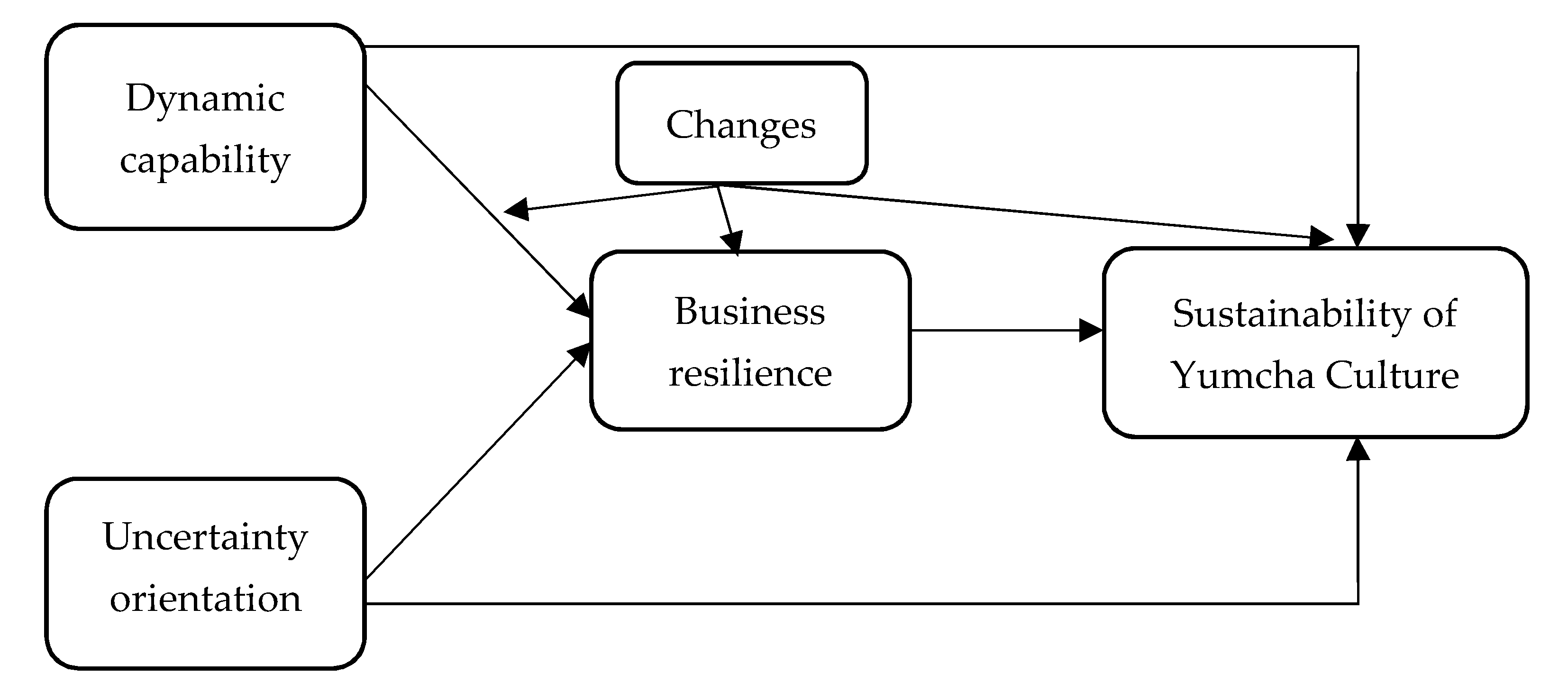
Figure 2. Results of path assay. Note: Northward = 248; *** p < 0.01; ** p < 0.05. Information technology is a simplified version of the proposed model. Error terms, indicators, exogenous factor variances, and correlations among exogenous factors are non shown.
Figure 2. Results of path assay. Notation: N = 248; *** p < 0.01; ** p < 0.05. It is a simplified version of the proposed model. Mistake terms, indicators, exogenous factor variances, and correlations amongst exogenous factors are not shown.
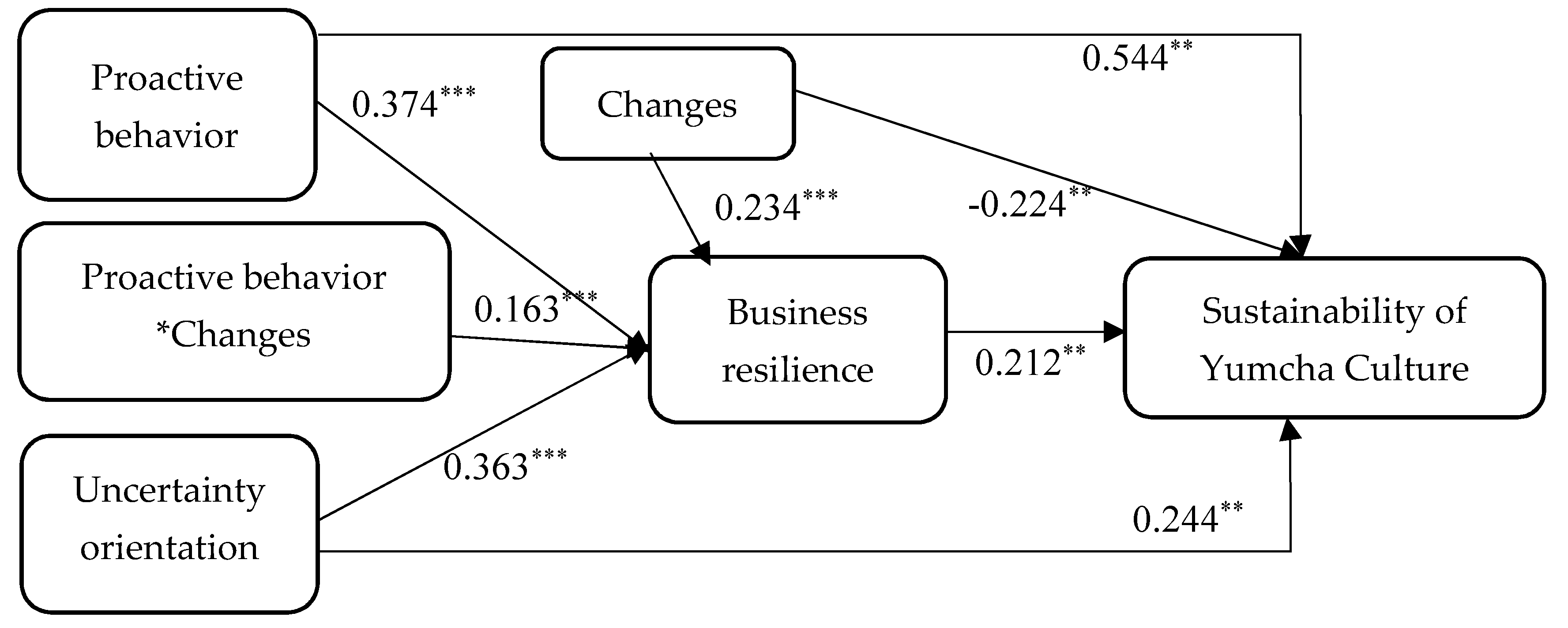
Figure 3. The moderating effect of social–cultural changes on the relationship between proactive behavior and resilience.
Figure iii. The moderating issue of social–cultural changes on the relationship between proactive behavior and resilience.
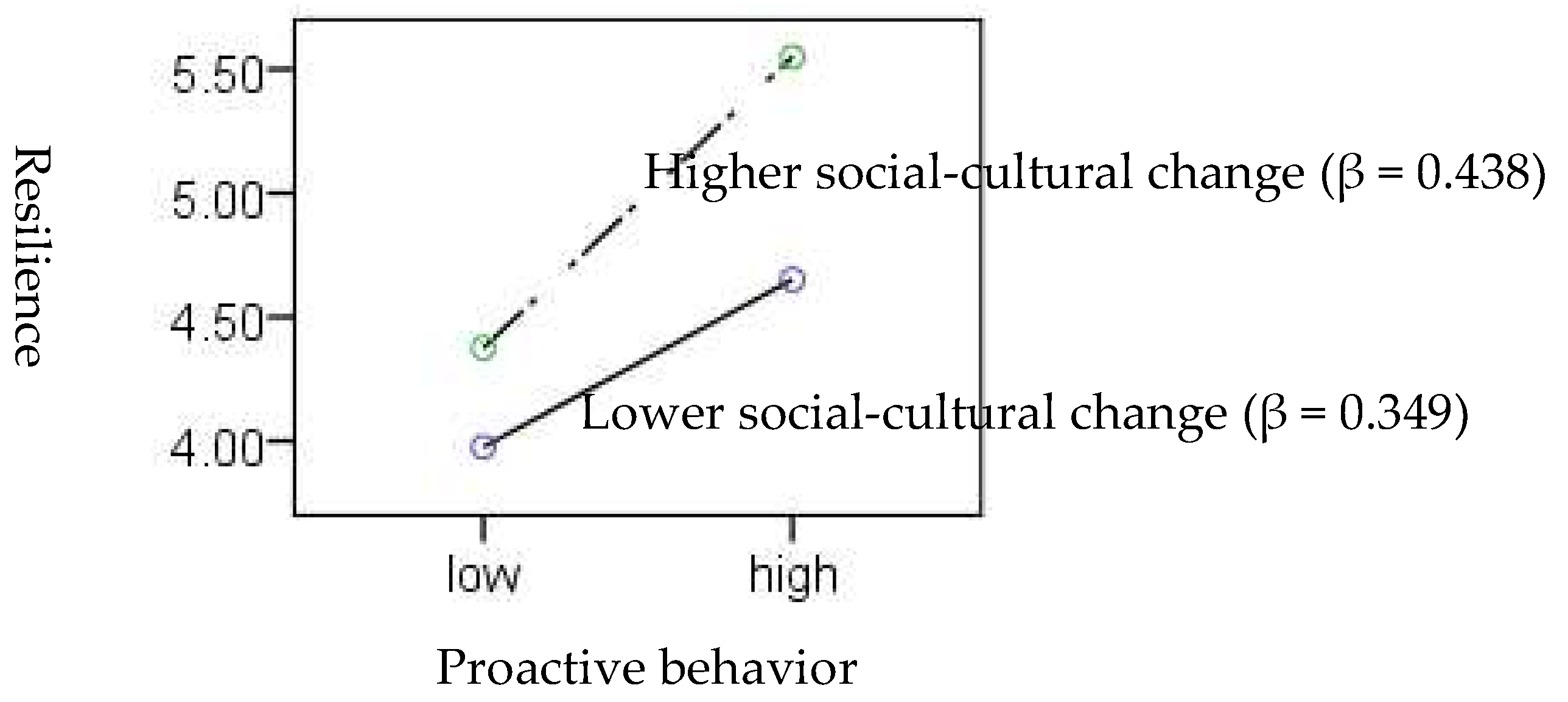
Table ane. Exploratory and confirmatory gene analysis for proactive behavior.
Table 1. Exploratory and confirmatory factor assay for proactive behavior.
| No. | Factor | M | SD | Skew | Kurt | EFL | CFL |
|---|---|---|---|---|---|---|---|
| Product innovativeness (Cronbach'south α: 0.897, CR: 0.897; AVE: 0.702) | 18.vi% a | ||||||
| At1 | Yumcha restaurants offer new flavors. | 5.41 | i.417 | –0.654 | –0.024 | 0.750 | 0.794 |
| At2 | Yumcha restaurants offer new combinations of food. | 5.31 | 1.450 | –0.722 | 0.227 | 0.807 | 0.869 |
| At3 | Yumcha restaurants offer innovative presentation of food. | 5.34 | 1.391 | –0.595 | 0.032 | 0.747 | 0.849 |
| At4 | Yumcha restaurants introduce new card items. | v.59 | 1.431 | –0.761 | –0.059 | 0.766 | 0.8 |
| Service innovativeness (Cronbach's α: 0.853, CR: 0.857; AVE: 0.667) | 14.nine% a | ||||||
| As1 | Yumcha restaurants' procedure for ordering menu items is innovative. | 5.58 | 1.412 | –0.783 | 0.223 | 0.860 | 0.835 |
| As2 | Yumcha restaurants integrate innovative technologies in new processes for offer their services. | 5.20 | 1.359 | –0.371 | −0.190 | 0.651 | 0.762 |
| As3 | Yumcha restaurants' apps or online ordering tools make Yumcha restaurants go far easier for customers to society ane-of-a-kind bill of fare items compared to its competitors | v.42 | ane.474 | –0.728 | 0.144 | 0.815 | 0.851 |
| Experiential innovations (Cronbach'due south α: 0.929, CR: 0.93; AVE: 0.72) | 20.0% a | ||||||
| Ae1 | Yumcha restaurants offer unique characteristic features that prepare it autonomously from its competitors. | 5.thirty | one.371 | –0.616 | 0.152 | 0.921 | 0.823 |
| Ae2 | Traditional civilisation is integrated into Yumcha restaurants | 5.65 | 1.375 | –0.792 | 0.144 | 0.779 | 0.812 |
| Ae3 | The characteristics of Yumcha restaurants provide an innovative environment that makes them unique. | 5.37 | 1.428 | –0.642 | 0.022 | 0.763 | 0.896 |
| Ae4 | The characteristics of Yumcha restaurants provide an innovative design that differentiates them from their competitors. | 5.23 | 1.361 | –0.406 | –0.230 | 0.680 | 0.85 |
| Ae5 | Yumcha restaurants are well-known for innovative custom events. | 5.42 | i.383 | −0.590 | –0.134 | 0.790 | 0.873 |
| Promotional innovativeness (Cronbach's α: 0.919, CR: 0.92; AVE: 0.70) | 21.ix% a | ||||||
| Ap1 | Yumcha restaurants are always thinking of ways to expand and offer new benefits to its customers in order to requite them a better experience. | 5.12 | i.397 | –0.397 | –0.326 | 0.713 | 0.837 |
| Ap2 | The style Yumcha restaurant employees interact with their customers is innovative. | 5.09 | 1.394 | –0.431 | 0.004 | 0.782 | 0.803 |
| Ap3 | Yumcha restaurants accept an innovative rewards (membership) program. | 5.11 | ane.394 | –0.469 | 0.200 | 0.921 | 0.86 |
| Ap4 | Yumcha restaurants implement new ad strategies not currently used past their competitors. | five.25 | 1.368 | –0.376 | –0.262 | 0.766 | 0.843 |
| Ap5 | Yumcha restaurants prefer novel means to marketplace themselves to customers. | v.08 | 1.349 | –0.275 | –0.168 | 0.733 | 0.817 |
| Cumulative validity | 75.4% a | ||||||
Table 2. Confirmatory factor analysis for resilience and sustainability.
Tabular array 2. Confirmatory factor analysis for resilience and sustainability.
| Factor | Mean | SD | Skewness | Kurtosis | C Factor Loading | |
|---|---|---|---|---|---|---|
| Proactive behavior (Cronbach's α: 0.880, composite reliability (CR): 0.89; average variance extracted (AVE): 0.67) | ||||||
| P1 | Product innovativeness | 5.41 | 1.243 | –0.789 | 0.641 | 0.780 |
| P2 | Service innovativeness | v.twoscore | i.245 | –0.644 | 0.449 | 0.755 |
| P3 | Experiential innovativeness | 5.39 | 1.221 | –0.619 | 0.336 | 0.883 |
| P4 | Promotional innovation | 5.13 | 1.201 | –0.341 | 0.281 | 0.85 |
| Incertitude orientation of demand change (Cronbach's α: 0.880, CR: 0.88; AVE: 0.65) | ||||||
| U1 | Various social changes take highlighted the fragility of Yumcha restaurants and demonstrated improvements to Yumcha restaurants. | iv.96 | i.286 | –0.151 | –0.057 | 0.719 |
| U2 | Yumcha restaurants recognize the impact of social modify at whatsoever time. | v.04 | i.251 | –0.106 | –0.201 | 0.819 |
| U3 | Yumcha restaurants accept washed a lot to amend cope with social changes. | v.15 | 1.243 | –0.095 | –0.299 | 0.827 |
| U4 | The touch on Yumcha restaurants is constantly reviewed. | 5.17 | ane.272 | –0.306 | –0.168 | 0.859 |
| Social–cultural changes (Cronbach's α: 0.859, CR: 0.86; AVE: 0.62) | ||||||
| Im1 | Social alter affects the Yumcha restaurant industry | iv.82 | ane.526 | –0.490 | –0.047 | 0.600 |
| Im2 | Client tastes change increasingly faster, affecting the morning time-tea industry. | 4.64 | 1.589 | –0.409 | –0.116 | 0.842 |
| Im3 | The mode of life is getting increasingly faster in the Yumcha eatery industry | 4.54 | one.545 | –0.356 | –0.123 | 0.881 |
| Im4 | All kinds of catering enterprises keep to increment, affecting the morn-tea industry. | 4.l | 1.574 | –0.448 | –0.059 | 0.803 |
| Yumcha heritage resilience (Cronbach'southward α: 0.898, CR: 0.90; AVE: 0.69) | ||||||
| R1 | Yumcha civilization can adapt to the impact of diverse shocks. | 4.84 | 1.285 | –0.077 | –0.110 | 0.832 |
| R2 | Yumcha restaurants can respond quickly to the impact of various shocks. | 4.73 | one.298 | 0.002 | –0.087 | 0.854 |
| R3 | Yumcha restaurants have enough capacity to adapt to all kinds of bear on. | iv.80 | one.388 | –0.339 | 0.193 | 0.818 |
| R4 | Yumcha restaurants can quickly adjust business operations to cope with all kinds of touch on. | four.83 | ane.304 | –0.131 | 0.091 | 0.814 |
| Sustainability of Yumcha culture (Cronbach's α: 0.901, CR: 0.91; AVE: 0.76) | ||||||
| Fu1 | I am full of conviction in the Yumcha restaurant industry | 5.38 | 1.386 | –0.629 | –0.007 | 0.915 |
| Fu2 | I recall the Yumcha eatery manufacture has a good time to come | 5.36 | one.373 | –0.601 | 0.112 | 0.903 |
| Fu3 | I'd be happy to work in the Yumcha restaurant industry | five.33 | 1.499 | –0.644 | –0.194 | 0.795 |
Table 3. Results of the confirmatory gene analysis for the measurement scales.
Table three. Results of the confirmatory factor analysis for the measurement scales.
| χtwo | Df | RMSEA | SRMR | CFI | TLI | ||
|---|---|---|---|---|---|---|---|
| one | 5-factor model | 193.491 | 125 | 0.047 | 0.037 | 0.967 | 0.960 |
| 2 | Four-factor model: dynamic adequacy and uncertainty orientation were combined into one factor. | 301.339 | 129 | 0.073 | 0.051 | 0.918 | 0.903 |
| 3 | Iii-factor model: Dynamic capability, uncertainty orientation, and bear upon were combined into one factor | 527.936 | 132 | 0.110 | 0.091 | 0.811 | 0.781 |
| four | Two-cistron model: dynamic adequacy, incertitude orientation, impact, and business resilience were combined into ane factor | 625.729 | 134 | 0.122 | 0.094 | 0.766 | 0.732 |
| v | All variables were combined into one factor | 757.691 | 135 | 0.136 | 0.102 | 0.703 | 0.664 |
Table 4. Correlation matrix.
Tabular array four. Correlation matrix.
| one | 2 | 3 | iv | ||
|---|---|---|---|---|---|
| ane | Proactive behavior | 1 | |||
| 2 | Dubiety orientation | 0.766 | 1 | ||
| iii | Social–civilisation changes | 0.397 | 0.502 | ane | |
| 4 | Yumcha restaurant resilience | 0.712 | 0.746 | 0.599 | 1 |
| 5 | Yumcha civilization sustainability | 0.793 | 0.707 | 0.24 | 0.645 |
Table 5. Comparison of structural equation models.
Table v. Comparison of structural equation models.
| M1 | M2 | M3 | M4 | M5 | M6 | M7 | M8 | |
|---|---|---|---|---|---|---|---|---|
| R->S | 0.212 ** | 0.215 * | 0.706 *** | 0.208 * | 0.294 *** | 0.235 ** | 0.690 ** | 0.198 ** |
| behavior->R | 0.374 *** | 0.361 *** | 0.396 *** | 0.331 ** | 0.358 *** | 0.413 *** | 0.422 *** | |
| Orientation->R | 0.363 *** | 0.359 *** | 0.473 *** | 0.344 ** | 0.378 *** | 0.420 *** | 0.377 *** | |
| Chang->R | 0.234 *** | 0.248 *** | 0.295 *** | 0.235 *** | 0.181 *** | 0.190 *** | ||
| Behavior * Alter->R | 0.163 *** | 0.110 * | 0.162 *** | 0.076 *** | 0.156 *** | |||
| Beliefs->South | 0.544 *** | 0.532 *** | 0.544 *** | 0.674 *** | 0.729 *** | 0.557 *** | ||
| Orientation->S | 0.244 *** | 0.247 ** | 0.249 ** | 0.347 *** | 0.253 *** | |||
| Change->S | –0.224 *** | –0.219 *** | −0.226 *** | −0.201 *** | −0.212 *** | −0.231 *** | ||
| Behavior * Modify->S | 0.014 | 0.025 | ||||||
| χ2 | 397.521 | 287.555 | 325.586 | 404.171 | 397.298 | 493.051 | 397.298 | |
| Df | 175 | 86 | 157 | 176 | 174 | 178 | 174 | |
| Δχ2(ΔDf) | 110 (89) | –72 (18) | half dozen (1) | –0.3 (i) | 104 (3) | –0.23 (1) | ||
| RMSEA | 0.072 | 0.097 | 0.066 | 0.072 | 0.072 | 0.084 | 0.072 | |
| SRMR | 0.045 | 0.076 | 0.049 | 0.047 | 0.045 | 0.045 | ||
| CFI | 0.943 | 0.929 | 0.949 | 0.942 | 0.943 | 0.920 | 0.943 | |
| TFI | 0.932 | 0.913 | 0.939 | 0.931 | 0.931 | 0.905 | 0.931 | |
| AIC | 15,065.95 | 12,165.86 | 9912.32 | 12,172.44 | xv,070.60 | fifteen,067.72 | 15,155.48 | fifteen,067.72 |
| ABIC | 15,085.eighteen | 12,188.53 | 9929.15 | 12,194.42 | 15,089.48 | 15,087.30 | xv,173.68 | 15,087.xxx |
Table 6. Summary of conditional indirect effects.
Tabular array 6. Summary of conditional indirect effects.
| Path | Class | Coefficient | Posterior South.D. | 95% Confidence Intervals | |
|---|---|---|---|---|---|
| Lower | Higher | ||||
| behavior->R | Higher social–cultural changes | 1.019 | 0.092 | 0.837 | i.194 |
| Lower social–cultural changes | 0.649 | 0.087 | 0.477 | 0.817 | |
| Deviation in direct outcome | 0.371 | 0.123 | 0.123 | 0.611 | |
| indirect effect | Higher social–cultural changes | 0.247 | 0.078 | 0.103 | 0.412 |
| Lower social–cultural changes | 0.155 | 0.052 | 0.063 | 0.268 | |
| Divergence in indirect effect | 0.086 | 0.041 | 0.022 | 0.185 | |
© 2018 by the authors. Licensee MDPI, Basel, Switzerland. This commodity is an open up access article distributed nether the terms and weather condition of the Artistic Commons Attribution (CC By) license (http://creativecommons.org/licenses/by/4.0/).
sandershereards79.blogspot.com
Source: https://www.mdpi.com/2071-1050/10/9/3304/htm

Post a Comment for "What Were Some of the Rationale of Ms. Tans Decision to Launch Yum Cha"